Commercial Truck Accident Attorneys – Personal Injury Lawyers
The large interstate trucking companies are required by the federal government to purchase sizable insurance policies to protect against the inevitable accidents that occur.
Insurance Companies (and their Adjusters) Are Great at Playing the “Denial” Game
The large interstate trucking companies are required by the federal government to purchase sizable insurance policies to protect against the inevitable accidents that occur. But just because they have it doesn’t mean they willingly pay without a fight when one of their trucks hits you and causes injuries. Don’t be misled by them in thinking that getting a reasonable insurance payment from a trucking company is a quick and easy process with no surprises.
The mission of every insurance company is to protect their bottom line, regardless of whether that company is a corporation that answers to stockholders or a mutual fund company who answers to its policyholders (which are, surprise-surprise, the trucking companies). All insurance companies are in the business of taking-in premiums and paying out as little as absolutely necessary in claims. Their primary function is to continually deny your claim, avoid paying you fairly, and protect their funds. Altogether, they do this thousand of times every year, by habit. Without the right experienced attorney on your side, the odds of collecting a fair settlement from an insurance company are astoundingly low.
While the Texas Civil Practices and Remedies Codes grant the right for anyone been injured in a commercial trucking accident or the family of one who was killed to be compensated, the law doesn’t automatically grant a victim claims an injury. It must hard-fought and won. You, as plaintiff, must first prove the liability of those responsible for the injuries arising from your big rig accident has caused, and all the other damages arising from it. The burden of proof is yours. Unless you clearly show that the money you’re asking for is a fair reflection of your losses, damages, and injuries, you have no hope of winning. The insurance company and the lawyers who represent them, do everything possible to deny your claim. And if they are found liable, they then argue that the restitution amount you seek is excessive and unreasonable.
Insurance adjusters are their first weapon against you. They shield their employer from you: plain and simple. Their job is to save their companies money by denying your claim or underestimating the cost of the wreck. And the best adjusters are given the most important cases. Truck wrecks are the most expensive and thereby, the most important claims that endanger the insurance company’s profits. An adjuster acts like your best friend and constantly assures you that all of your needs are met. Then they turn around and stab you in the back because that too is their job. Insurance adjusters are very clever. They try to imitate the good relationship with your car insurance agent. Often, under the guise of being your “good neighbor agent,” they might innocently try and record you saying something that is later twisted into sounding like your admitting liability.
They regularly use this tactic to destroy your chance to receive any compensation, much less fair. Some unscrupulous adjusters even try to deceptively convince uninformed truck accident injury victims to sign away the legal right to sue in exchange for a measly settlement amount that would never even approach fair compensation for the victim’s injuries and other financial losses from a big rig accident. This is why – when we take on a case – adjusters don’t talk to our clients. They only talk to us. That way they can’t use the words you innocently say to hang you in court. And they won’t dare offer you a measly settlement that could never fairly compensate you and your family because they know that we know better.
Corporate insurance adjusters and defense lawyers lick their chops when they find a victim who tries to represent his or herself, or is represented by under-experienced legal counsel. They know how easy it is to lead you around by the nose. The tactics of an insurance company to save their money by denying your rightful claim is illustration enough of why you need aggressive, experienced legal representation. Only the history of success of an experienced truck accident law firm such as our Law Firm will set unscrupulous insurance adjusters in their place and compel their insurance company into offering a fair settlement, or defeat them in court if they refuse to see reason.
Our Law Firm has decades of hard-fought experience handling personal injury litigation in commercial trucking accident cases. If you or a loved one has been hit by one of these trucks, our expertise assures that you receive the fairest compensation possible for the injuries and pain you have suffered. We’ve helped deliver millions of dollars to hundreds of big rig accident victims in Texas. So if you or a loved one has been involved in a trucking accident in Texas, our experienced accident lawyers can win the best compensation possible for you.
Call us today for a free consultation to continue your road to total recovery and that of your family.
============
The Basics of Auto Injury Lawsuits and What Makes Yours a Success
We’ve all been (or will be) in a car accident someday. But how we know whether or not we have a successful personal injury case against a defendant
The Basics of Auto Injury Lawsuits and What Makes Yours a Success
We’ve all been (or will be) in a car accident someday. But how we know whether or not we have a successful personal injury case against a defendant who should reimburse us for our injuries? Most of the time, an accident victim has a legal right to collect money for his injuries by proving the four elements of a car accident claim in court. In the U.S., all defendants are innocent until proven guilty. So the burden to you, the injured plaintiff, is to prove you are owed these damages by the defendants. All they have to do is deny your claim. If your evidence doesn’t clearly prove their guilt, then they win and you don’t collect. But before you walk down the road of civil litigation, a lot of investigative work goes into a successful auto injury lawsuit, which we’ll discuss in a bit. Just don’t expect us to file your lawsuit a week after we meet.
There are four elements to proving injuries against a defendant and you must clearly demonstrate your charges are true. They are duty, breach, causation, and damages. Below, is a brief overview or each of these four elements so that you will have a better idea of what it will take to prove that you’re entitled to be compensated for your injuries.
Duty of Care – The first element in your successful burden of proof chain is clearly illustrating that the defendant owed you a duty of care to exercise an acceptable level of caution in order to ensure that you will not be harmed. Texas Civil Codes and Procedures (the rules that govern civil lawsuits in our state) clearly establish the level of the duty of care that a person or organization owes to another, depending on the circumstances of the accident; relative to the relationship of the parties involved at the time the accident occurs. Proving the defendant in your case owed you at least some duty of care will probably be fairly uncomplicated since nearly all drivers owe each other the elemental duty to drive as a reasonable person would in order to keep others safe. Unless there are unusual circumstances, the chances are that a general “reasonable person standard” applies to the defendant (or defendants) in your case.
The Defendant’s Breach of Duty – Once you have successfully proven that the defendant in your case owed you a duty of care, the next step is proving that he or she violated that duty. In a great majority of auto accident injury cases, plaintiffs and their attorney must clearly show that the defendant drove in a way that a reasonable person would not have driven. The defendant may be able to prove that he or she has been a safe driver for many years by showing a driving record of no tickets since the Reagan Administration. But that doesn’t matter if you can prove that the defendant in your case drove unreasonably only for the moments immediately leading up to your car wreck. Then, he or she can be held legally responsible for any consequences that resulted from his or her negligent actions that caused you harm.
Proving that the defendant breached the duty of care is typically one when you and your attorney present evidence to the court to remove any doubt about what the defendant did (or failed to do) that caused the car wreck. The jurors in your case will consider your breach evidence and other evidence that clearly illustrates the defendant’s actions or intent at the time of the wreck. Then during their deliberations, they will rule whether the defendant behaved reasonably or unreasonably. Offenses such as speeding recklessly, driving at night without headlights, running through red lights, driving while intoxicated, and more can constitute a breach of the defendant’s duty of care, even if they may not have been criminally charged for these offenses. Some defendant actions might even support charges of willful intent to breach that duty, which can strengthen your case.
Causation of Defendant’s Breach of Duty (what actually caused the wreck) – Once you have proven the elements of duty and breach, you must then demonstrate that the defendant breached his duty of care through negligence. But simply showing that this person might have been negligent isn’t always enough to win your charges that the defendant is responsible for your auto wreck. Because when a defendant is compelled to deny causation, often he will argue “unforeseeable circumstances” such as other drivers, pedestrians, or even your actions caused the wreck. This can be the last stand for an accident defendant to wiggle out of being judged liable for your injuries and other damages. So expect them to claim anything from a pedestrian stepped in his way and forced him to hit your vehicle, to their toddler threw a bottle of apple juice at the driver, to swear that he saw an alive-and-well Elvis driving a classic Cadillac convertible. Maybe it happened, maybe it didn’t. But how do you disprove the defense? It’s up to you and your lawyer to counter every claim of defense, or the defendant wins because your level of proof doesn’t convince the jury that his or her negligence is enough to be held liable for your damages. This is why it’s terribly important to have sufficient evidence to prove any defense that is thrown at you, and that it was the defendant’s inappropriate conduct that caused you harm. And the best way to have the best evidence is with the help of an experienced vehicle accident attorney.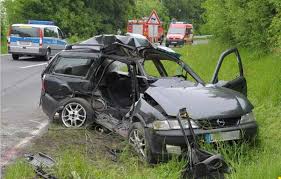
Damages – Once you have successfully proven the above three elements of your injury case, then you’re entering the home stretch of your lawsuit against the defendant.
It’s time to prove the amount of damages you are entitled to collect from the defendant (or defendants) and hand them the bill. The term “damages” isn’t limited to just your injuries and the bills that need to be paid. It’s a broader term that refers to the entire monetary value of your injury case (the total sum of money) that you’ll recover from the defendant when the jury (or judge) rules in your favor. So damages also include physical pain, suffering, and psychological scars arising from your injury, present lost wages as a result of your inability to work, loss of future earning capacity if your injury leads any period of disability, and of course, the repair, or replacement bills to your auto and any items of worth that were also destroyed in the wreck. In order to prove what you’re entitled to collect, you and your Texas auto accident attorney with our Law Firms will need to calculate exactly what you’re owed and provide evidence of the extent of your injuries and losses to support your calculations.
Determining the full amount of damages is as important as the other three burdens of proof since you have only one chance to receive fair compensatory damages from any single negligent defendant. But computing every single loss can be challenging unless you have an experienced Texas auto accident attorney who knows the value of personal injury losses and how to effectively calculate them so the court will see them as reasonable. How do you put a price tag on an intangible loss such as pain and suffering, or that of your child? In calculating the loss of earning capacity, how do you account for hypothetical raises and promotions you would have earned had you continued to work, or gotten a promotion, or were hired away by another company at double your current salary? How can you figure out how much all of your medical bills will amount to if your treatment is not yet complete, and your doctor can’t tell how long it will last? The auto injury attorneys at our Texas Law Office knows how to account for and calculate every one of your damages, and make certain that you will recover as much as reasonably possible for your injuries.
Put our years of experience to work for you. If you want to know what your rights are, how to proceed with your claim, and how much compensation you can secure from your auto injury case, call the auto accident attorneys with our Law Firm now for a free consultation and find out how we can help you recover the full fair value of the damages you have suffered through the negligence of another driver.
This Blog was posted by No.1 Lawyer – Carabin Shaw Attorneys At Law in El Paso
==========
Personal Injury Law: Motorcycle Accidents
Any lawsuit stemming from a traffic accident hinges on the question of negligence. Proving liability can be a huge hurdle for motorcyclists
Experienced Attorneys Advocate For Injured Drivers And Passengers
Any lawsuit stemming from a traffic accident hinges on the question of negligence. Proving liability can be a huge hurdle for motorcyclists, since many people, judges and jurors included, harbor negative preconceptions about motorcyclists. Our injury lawyers shatter stereotypes with clear, concise presentations of factual evidence. With more than 175 years of combined experience, our legal team knows how to build a solid case for the maximum level of compensation. More about our San Antonio Car Accident Attorney here
Surprising motorcycle accident statistics
Motorcycle accidents are increasingly common in our city. Because motorcycle riders are so exposed, accidents often have serious, even deadly, consequences. In 2016, 463 motorcyclists were killed on Texas roads. In addition, 33 motorcycle passengers lost their lives, 1,861 motorcycle riders and 147 passengers suffered critical injuries, and thousands more suffered other injuries in motorcycle crashes.
Knowledge of the common causes of motorcycle crashes
If you’ve had a motorcycle accident and are considering a personal injury lawsuit, our lawyers can analyze your crash to make a preliminary assessment of fault. We have experience with a wide array of motorcycle accident scenarios, including:
Vehicles turning left — A left turn or a U-turn takes a vehicle across lanes of oncoming traffic. When drivers do not see an oncoming motorcycle and move a car, truck, or van across the oncoming lane, they create a T-bone scenario, where the bike smashes into the broad side of the turning vehicle.
Head-on collisions — This most deadly crash occurs when a negligent driver crosses the divide between opposing lanes of traffic.
Lane splitting — Law does not specifically address this practice that allows motorcycles to slice through slow-moving traffic. But bikers who are injured while lane-splitting must overcome perceptions that lane-splitting is always too risky.
Lane sharing — More like lane-encroaching, this is an inherently unsafe practice where cars attempt to ride alongside a motorcycle or pass within the same lane.
Speeding and alcohol impairment — The two major causes of any traffic accident strongly suggest negligence and liability for the accident.
Crashes with stationary objects — When a motorcycle hits a stationary object, such as a tree or a lamppost, the burden is on the biker to show that another driver or a hazardous road condition forced him off the road.
Road hazards — When road hazards cause accidents, the injured party must show that the entity responsible for maintaining the road was negligent for not properly dealing with the hazard.
An injured party who shares even the slightest blame for an accident cannot recover full compensation. Texas does require motorcyclists to wear helmets, but failure to do so is not considered contributory negligence in a personal injury case. However, the possibility that a court could rule you ineligible for compensation makes your lawyer’s role even more urgent.
Contact a motorcycle accident lawyer for the help you deserve
If you or a loved one has been seriously injured in a motorcycle accident, trust our team of attorneys to fight for your maximum recovery. We know how to build a compelling case for the compensation you deserve.
Call us today to schedule a free consultation.
=============
Dog Bite Injuries – Animal Attack Lawyers
Let’s just say that not all dogs are sweet and cuddly. In fact, dog attacks are unfortunately a very common occurrence. It is estimated that over 4 million people become dog bite victims every year.
Dog Bite Injuries – Animal Attack Lawyers
Let’s just say that not all dogs are sweet and cuddly. In fact, dog attacks are unfortunately a very common occurrence. It is estimated that over 4 million people become dog bite victims every year. It is also estimated that nearly a million of those dog bite cases are serious enough to require medical attention. If you or your child has been the victim of a dog bite, it is imperative that you seek the counsel of a qualified dog bite attorney.
Understanding Dog Bite Laws
Every state has its own set of dog bite laws. All dog owners have a responsibility to identify the dangerous propensities of their animal and take precaution to prevent attacks and injuries to the public. However, it is much more difficult that you think identifying responsible parties and their insurers while crafting a winning case for the liability of the dog owner.
The Dangerous Dog Statute – The dog, without provocation, has acted in a menacing manner twice within 18 months causing a reasonable person to feel the need to defend themselves from the dog if they are not locked up or confined within the owner’s property. More on this website
The Viscous Dog Statute –
A dog that attacks or injures a person without provocation and inflicts serious injury or even death.
The Owner Liability – The owner is fully liable if they are aware of the dog’s tendency to attack and they are required to take necessary precautions to prevent such events.
When our law firm is on your side, you don’t need to understand the different dog bite laws – you can leave that to us. We will represent your rights in a professional and aggressive manner while making sure every angle is covered so you and your family can focus your time on recovering and moving on with your life.
What to Do When You Are the Victim of an Animal Attack
Animal attacks take a toll on any individual and family having to endure this experience. First, there are the physical injuries. It is important that you receive proper medical attention right away. If you do not the injuries could get worse causing the need for long-term care.
You also need to address your mental and emotional well-being. When you experience a traumatic event, such as an animal attack, there will most likely be lasting effects that may require you to seek professional counsel. As experienced dog bite attorneys, we ensure that you receive help for all areas that are affected through a situation such as this.
Sensitivity & Experience You Need to Defend Your Case
When our law office is on your side we will make sure that your rights are not forgotten. We have been able to help previous clients receive compensation in the following areas:
Medical Expenses
Lost Wages
Lost Earning Capacity
Pain and Suffering
Wrongful Death
Our law firm understands that when a dog bite occurs it can be a very stressful situation. You may be wondering where to turn for help – especially as your medical bills start to accumulate. We are here to help you as a dog bite victim and guarantee personal attention to you and your case. We are not just a law firm that goes through the legal motions. Not only do we guide you through the legal process, we also ensure that you receive the compensation you deserve to find true justice for the pain and suffering you are experiencing.
If you or a family member has been attacked by a dog, seek a personal injury attorney with experience in dog bite incidents immediately. These cases require a lot of investigation and are subject to a statue of limitations. Please contact our office now for your free consultation.
=============
Truck Accident Attorneys – 18 Wheeler Crashes Can Be Very Complex
Truck accident lawsuits can be as complex and complicated as the accidents themselves are devastating and destructive
Truck accident lawsuits can be as complex and complicated as the accidents themselves are devastating and destructive. The trucking industry is heavily regulated and you truck accident attorney must have a thorough understanding of these laws, as well as personal injury law. Compensation for your accident may be the only way you can pay your medical bills, and even keep food on the table, if you have been seriously injured. Our truck accident attorneys are here to help.
You Can Afford an Truck Accident Attorney
We understand that truck accident victims and their families are already facing financial difficulty, along with personal loss. If you have been putting off talking to a lawyer because you are concerned about the cost, please do not hesitate any longer. Your initial consultation with our truck accident attorneys is free of charge. Then, if we represent you, we do so on a contingency basis. That means we do not ask for a retainer or bill you by the hour, and we only get paid if we recover compensation on your behalf.
Compensation for Your Trucking Accident Injuries
Trucking accident injuries are often catastrophic, and it is not uncommon for survivors to be permanently disabled. If you have been injured in a truck accident or if you have lost a loved one in a crash with a big rig, you may be entitled to compensation for your losses including:
Past, current, and future medical expenses
Long-term care
Past, current, and future lost income
Lost earning capacity
Disability and related expenses such as special equipment
Disfigurement
Pain and suffering
Emotional anguish
Loss of enjoyment of life
Loss of consortium
Wrongful death
If you or a loved one has been injured or killed by in a truck accident, please call our truck accident attorneys today. The initial consultation with our truck accident attorneys is free, and if we agree to represent you, we will work for a contingent fee, which means we won’t get paid for our services unless you receive a settlement or an award. A truck accident lawsuit must be filed before the expiration of the statute of limitations. Please call right away to ensure that you do not waive your right to possible compensation.
=================
Personal Injury Lawyers – Truck Accident Attorneys San Antonio
The trucking industry is a 225.5 billion dollar industry and employs nearly 3.5 million truck drivers.
The trucking industry is a 225.5 billion dollar industry and employs nearly 3.5 million truck drivers. Because Bexar County is a major county, home to more than a million residents and on I-10 same as Harris County, another highly populated county, thousands of trucks pass through here each year. The high number of truckers on Bexar County’s roadways increases the risk of a trucking accident for local motorists.
If you have been involved in an injury accident where a negligent truck driver was at fault, you may be entitled to compensation. Victims of serious accidents are strongly recommended to consult an experienced trucking accident attorney to discuss their potential case. More information here @ https://no1-lawyer.com/truck-accident-lawyers-in-el-paso/
Types of Collisions
In a collision accident, the point-of-impact determines the type and severity of the crash. Other factors, such as speed and safety mechanisms, can also affect the seriousness of a trucking accident, but whether the motor vehicle is impacted in the front, rear or left or right sides will shape the nature of the accident.
One of the most dangerous types of collisions is the head-on collision. According to the National Highway Traffic Safety Administration, in one-year front impact collisions accounted for 44.3% of all the fatal trucking accidents. In most head-on collisions, both the trucks and passenger vehicles are in motion, so the total damage of front impact collisions tends to be most severe.
Causes of Trucking Accidents
Truckers spend 11 hours a day driving thousands of miles for several consecutive days. One of the most common causes of serious trucking accidents is a fatigued driver. Driving requires alertness and focus, the driver must always be aware of his or her surroundings and fellow motorists at all times to prevent an accident. Front-impact collisions occur when a fatigued driver drifts out of their lanes and into oncoming traffic.
Distracted driving is becoming an increasingly more common cause of trucking accidents. Texting, calling, or eating while driving divides the attention of the truck driver from the road. Pressed by time and delivery dates, truck drivers often multitask while they drive, putting themselves and others at risk.
In the event of an accident caused by either fatigue or distraction, the negligent truck drivers must be held accountable for their behavior.
Seek Representation
At our firm, our experienced personal injury attorneys have represented hundreds of truck accident victims throughout Texas. The effects of serious truck accidents can be brutal; the permanent effects can range from an incapacitating disability to even wrongful death. If the negligent behavior of a truck driver has resulted in a serious injury with great cost and length of recovery, a professional truck accident lawyer can help you maximize your compensation and ensure you will be fairly compensated. Click on this link @ https://caraccidentattorneysa.com/truck-accident-lawyers-in-laredo/
Free Consultation
We offer free consultations to our potential clients. If you have been involved in a serious trucking accident, schedule an appointment today to speak with a truck accident attorney. Claim the full and fair compensation you deserve.
https://drive.google.com/open?id=1M45igKYIXRSnCex9zOAtcporXp-zyKtL
===========
Emergency Vehicle Collision Claims
Expert analysis of emergency vehicle collision claims, sovereign immunity challenges, and legal strategies for police, fire, and ambulance accident cases.
“`html
This article was brought to you by Carabin Shaw Personal Injury Attorneys – Houston
Emergency Vehicle Collision Claims: Ambulance, Fire Truck, and Police Car Accidents
Emergency vehicle collisions represent one of the most legally complex and dangerous categories of Houston car accident cases in America. National Safety Council data reveal alarming statistics: vehicle fatality rates for emergency responders are estimated to be 4.8 times higher than the national average, with crashes involving police vehicles accounting for 134 deaths annually, followed by ambulances and fire trucks with 32 deaths each. These accidents occur frequently, with an estimated 6,500 ambulance accidents and over 19,225 fire department vehicle collisions annually.
The legal complexity stems from sovereign immunity protections that shield government entities from traditional liability claims, combined with the unique operating conditions of emergency vehicles responding to life-threatening situations. Understanding these challenges becomes essential for accident victims seeking compensation and legal professionals navigating the intricate framework of emergency vehicle liability law.
Devastating Emergency Vehicle Accident Statistics
Research reveals the scope of emergency vehicle dangers on American roadways. The National Highway Traffic Safety Administration reports that 559 law enforcement officers died in vehicle crashes between 2000 and 2008, representing 53% of all law enforcement work-related fatalities. Similarly, 179 firefighters died from vehicle crashes between 2004 and 2013, making motor vehicle crashes the second-leading cause of death for on-duty firefighters.
Ambulance accidents present particularly alarming patterns. An estimated 6,500 accidents involve ambulances annually, with 35% resulting in injury or fatality to at least one vehicle occupant. When injuries occur, there are on average three unique injuries per accident, reflecting the severity of these high-speed collisions. Emergency medical personnel face higher crash risks compared to other first responders, with 45.7% of fatal ambulance crashes occurring during emergency response operations.
Fire truck collision data reveals significant operational hazards. In 2023, approximately 19,225 fire department vehicles were involved in traffic accidents, resulting in 1,450 firefighter injuries. An estimated 2,800-3,000 fire trucks were struck while serving as traffic blockers at accident scenes, demonstrating the secondary collision risks emergency responders face daily. The cost of emergency vehicle crashes reaches an estimated $35 billion annually nationwide.
Police pursuit statistics highlight additional dangers. Research indicates approximately 300 fatalities occur annually during police pursuits, with just over 30% involving people not directly involved in the pursuit. Police officers experience roughly double the motor vehicle crash rate per million miles driven compared to the general public, reflecting the hazardous nature of law enforcement driving duties.
Sovereign Immunity Creates Substantial Legal Barriers
Sovereign immunity represents the primary legal obstacle for emergency vehicle accident victims seeking compensation. This doctrine, rooted in the principle that “you cannot sue the government unless the government allows itself to be sued,” provides broad protection for government entities and their employees when acting within their official duties.
The Texas Tort Claims Act exemplifies sovereign immunity application in emergency vehicle cases. The Act generally protects government agencies and employees from liability when performing official duties in good faith, though it provides a limited waiver of immunity for injuries arising from the operation or use of a motor-driven vehicle. Emergency responders are generally shielded unless they act with reckless disregard for safety or violate the laws that still apply to them during an emergency response.
Emergency response exemptions have limits. Texas law allows authorized emergency vehicles to disregard certain traffic rules when responding to an emergency, but only when using audible and visual signals, and it does not relieve the operator of the duty to drive with regard for the safety of others. An operator who acts recklessly can still be held accountable.
The interplay between statutory immunity, its motor-vehicle waiver, and constitutional due process requirements creates complex legal landscapes requiring specialized expertise to navigate effectively, along with strict notice deadlines for claims against governmental units.
Exceptions to Sovereign Immunity Protection
Despite broad sovereign immunity protections, several exceptions allow emergency vehicle accident victims to pursue compensation claims. Off-duty accidents represent the most apparent exception, as sovereign immunity typically applies only to official duty performance. Emergency vehicle operators driving for personal purposes receive no special immunity protection and face standard negligence liability.
Gross negligence, recklessness, or willful misconduct exceptions penetrate sovereign immunity shields in many jurisdictions. Emergency vehicle operators who drive recklessly, ignore safety protocols, or act with conscious disregard for public safety may lose immunity protection even while responding to a call.
Improper emergency response procedures can void immunity protections. Emergency vehicles must have lights and sirens activated when claiming emergency response exemptions from traffic laws. Operators who speed through red lights, exceed speed limits, or violate right-of-way rules without proper warning signals may face full liability for resulting accidents.
Municipal insurance purchases can constitute sovereign immunity waivers in some jurisdictions. Courts have found that entities purchasing liability insurance demonstrated intent to accept financial responsibility for employee negligence, thereby waiving governmental immunity protections for covered incidents.
Complex Multi-Party Liability Scenarios
Emergency vehicle accidents often involve multiple potential defendants, creating complex liability allocation challenges. Emergency vehicle operators bear primary responsibility when they breach their duty of reasonable care during emergency responses. While exempted from certain traffic laws during emergencies, operators must still exercise appropriate caution and follow established safety protocols.
Government employers face vicarious liability for employee actions performed within the scope of employment, though sovereign immunity may limit exposure. Fire departments, police departments, and emergency medical services agencies can be held responsible for inadequate training, defective equipment, or policies that encourage unsafe driving practices.
Third-party liability frequently contributes to emergency vehicle accidents. Other drivers who fail to yield to emergency vehicles, violate move-over laws, or act negligently can share or bear primary responsibility for accidents. These cases require careful analysis of traffic patterns, signal compliance, and driver behavior at the time of collision.
Equipment manufacturers may face product liability claims when defective emergency equipment contributes to accidents. Faulty sirens, warning lights, braking systems, or vehicle design defects can create liability exposure for manufacturers when equipment failures cause or contribute to emergency vehicle crashes.
Unique Operational Hazards and Contributing Factors
Emergency vehicle operations present inherent dangers that complicate liability determinations. High-speed emergency responses create increased accident risks, particularly at intersections where emergency vehicles must navigate cross traffic. Research shows that emergency vehicles face significantly higher encounters with red-light runners, especially in high-traffic areas.
Heavy emergency vehicle design contributes to accident risks. Fire trucks and ambulances possess low acceleration and deceleration capabilities due to their mass, while water surge in fire truck tanks creates additional control challenges. These vehicles often cannot stop as quickly as passenger cars, creating liability questions when emergency stopping situations arise.
Driver distraction represents a significant contributing factor in emergency vehicle accidents. Police officers use multiple devices simultaneously during emergency responses: scanners, laptops, GPS systems, and communication equipment. This technological complexity can contribute to operator distraction and subsequent accidents.
Intersection conflicts pose particular hazards for emergency vehicles. Current traffic signal timing is designed primarily for passenger vehicles and can be inadequate for heavy emergency vehicles, creating “dilemma zones” where emergency vehicles cannot safely stop or proceed through intersections.
Specialized Insurance and Coverage Issues
Emergency vehicle insurance involves complex coverage arrangements that affect victim compensation options. Government self-insurance funds often provide primary coverage for emergency vehicle operations, though coverage limits and exclusions may restrict available compensation amounts.
Excess and umbrella policies frequently apply to emergency vehicle claims due to the severe injuries typically involved in high-speed collisions. However, these policies may require exhaustion of underlying coverage limits before providing benefits, creating timing and settlement coordination challenges.
Commercial insurance policies carried by private ambulance companies create additional coverage layers but may contain emergency response exclusions or reduced coverage during emergency operations. Careful policy analysis becomes essential to identify all available coverage sources.
Workers’ compensation insurance may provide benefits for injured emergency responders, but it typically precludes civil liability claims against employers, limiting recovery options for on-duty emergency personnel injured in vehicle accidents.
Damage Calculations and Settlement Strategies
Emergency vehicle accident damages often exceed typical motor vehicle accident amounts due to high-speed impacts and severe injury patterns. Medical expense calculations must account for traumatic injuries, extended hospitalization periods, and long-term rehabilitation requirements commonly associated with these high-energy collisions.
Lost earning capacity analyses become complex when emergency vehicle accidents cause permanent disabilities affecting victims’ ability to work. These cases often require vocational rehabilitation experts and economists to project lifetime earning losses and accommodation costs.
Pain and suffering valuations reflect the catastrophic nature of many emergency vehicle accidents, considering both physical trauma and the psychological impacts of collisions involving public safety vehicles. Courts often recognize the particular trauma associated with being struck by vehicles operated by those meant to protect and serve.
Government entity settlements may face statutory damage caps or procedural requirements that differ from private party negotiations. Texas, like many states, caps the liability of governmental units under the Tort Claims Act, and some settlements may require governing-body approval.
Evidence Preservation and Investigation Strategies
Emergency vehicle accident investigations require immediate evidence preservation due to the complex technical and procedural issues involved. Documentation of emergency response protocols, training records, vehicle maintenance logs, and communication transcripts becomes crucial for establishing liability theories.
Witness testimony from other emergency personnel, dispatch records, and radio communications provide critical evidence regarding the necessity and appropriateness of emergency response decisions. These witnesses often possess specialized knowledge about emergency response procedures and standards.
Traffic signal analysis, intersection design evaluation, and accident reconstruction become particularly important in emergency vehicle cases given the unique traffic law exemptions and operating conditions involved. Expert testimony regarding emergency vehicle operation standards helps establish whether operators acted reasonably under emergency conditions.
Governmental records requests may be necessary to obtain internal investigation reports, disciplinary records, and policy manuals that reveal institutional knowledge of safety problems or training deficiencies that contributed to accidents.
The evolving landscape of emergency vehicle technology, automated collision avoidance systems, and enhanced communication equipment will continue to shape liability standards and victim compensation opportunities in these challenging but crucial public safety cases.
=============
Ride-Share Accident Claims
Navigate complex Uber and Lyft accident liability claims. Expert guide to insurance gaps, coverage periods, and legal complications in rideshare injury cases.
“`html
This Blog was brought to you by Carabin Shaw Personal Injury Lawyers – San Antonio
Ride-Share Accident Claims: Uber and Lyft Liability Complications
Rideshare services revolutionized urban transportation, but with over 100,000 Uber and Lyft accidents occurring annually across the United States, understanding liability complications has become essential for injury victims. Recent data reveals that while 99.9% of Uber trips and more than 99% of Lyft trips complete without critical safety incidents, the sheer volume of rides means thousands face serious injury claims each year.
The complexity of rideshare accident liability stems from multiple insurance layers, coverage gaps, and evolving legal frameworks that differ significantly from traditional auto accidents. Our Texas rideshare accident lawyers can help. Uber reported 208 fatalities between 2017 and 2020, while Lyft documented 105 deaths during the same period, with fatality rates of 0.57-0.59 per 100 million miles for Uber and 0.72-0.78 for Lyft.
The Three-Period Coverage System Creates Liability Confusion
Rideshare insurance operates through three distinct periods that determine coverage availability and liability allocation. Period 1 begins when drivers activate their app but haven’t accepted ride requests. During this phase, Uber and Lyft provide minimal third-party liability coverage of $50,000 per person, $100,000 per accident for injuries, and $25,000 for property damage. This coverage only activates if drivers’ personal insurance doesn’t apply, creating significant gaps.
Period 2 covers the time between accepting ride requests and passenger pickup. Both companies maintain $1 million liability coverage during this phase, along with contingent comprehensive and collision coverage, though drivers face a substantial $2,500 deductible. Period 3 provides the most robust protection while passengers are in vehicles, maintaining the same $1 million liability coverage with additional first-party benefits.
The critical issue lies in Period 1, where most insurance experts recommend at least $100,000 individual bodily injury coverage and $300,000 per accident, significantly exceeding what rideshare companies provide during this vulnerable phase. This disparity leaves substantial liability exposure for both drivers and injured parties.
Personal Insurance Exclusions Compound Complications
Traditional auto insurance policies explicitly exclude commercial activities, creating dangerous coverage voids. Approximately 12% of rideshare drivers operate without adequate insurance coverage, while personal policies typically deny claims for business-related driving activities. When accidents occur during Period 1, drivers often discover their personal insurance won’t respond, yet rideshare company coverage remains limited.
Rideshare endorsements from traditional insurers can cost as little as 90 cents daily but provide crucial gap coverage during Period 1. However, many drivers remain unaware of these options or fail to purchase appropriate coverage, leaving injury victims with reduced recovery prospects.
Determining Fault Becomes Legally Complex
Distracted driving accounts for 60% of rideshare crashes, often involving drivers checking apps for pickup notifications. This behavior creates unique liability questions about whether app design contributes to accidents and whether companies bear responsibility for driver distraction.
Driver fatigue presents another complication. Seventy percent of rideshare drivers work over 50 hours weekly, leading to slower response times and increased accident risk. Establishing whether fatigue resulted from excessive platform demands versus personal choices affects liability allocation between drivers and companies.
App status at accident time becomes crucial for coverage determination. Courts must analyze whether drivers were logged in, had accepted rides, or were traveling to pickup locations. The extent of coverage depends entirely on driver status during accidents, with significantly different liability implications for each period.
Multiple Insurance Policies Create Claim Disputes
Rideshare accidents often involve disputes between personal insurers, rideshare company policies, and third-party coverage. Personal policies serve as “primary” coverage while rideshare company insurance provides “contingent” coverage, meaning injured parties must navigate multiple claim processes.
When drivers lack rideshare endorsements, their personal insurers typically deny claims, forcing reliance on limited rideshare company coverage. These disputes can delay compensation to injured parties while insurance companies battle over coverage responsibility. The $2,500 deductible for comprehensive and collision coverage during active periods further complicates settlement negotiations.
Passenger Rights Face Unique Challenges
Passengers enjoy broader protection under the $1 million liability policy during Periods 2 and 3, but complications arise regarding coverage scope. While rideshare liability coverage helps pay for medical expenses, lost wages, and pain and suffering, passengers may face gaps in coverage for personal property damage or specific injury types.
Uninsured motorist situations create additional complexity. When third parties cause accidents involving rideshare vehicles, determining which uninsured motorist coverage applies—personal, rideshare company, or both—becomes legally challenging. Some policies coordinate benefits while others dispute primary responsibility.
Third-Party Victims Face Recovery Obstacles
Pedestrians, cyclists, and other motorists injured by rideshare drivers encounter unique recovery challenges. Coverage availability depends on driver status during accidents, potentially limiting compensation options for seriously injured third parties. Period 1 accidents leave victims with significantly reduced coverage compared to active ride periods.
The independent contractor classification of rideshare drivers limits traditional respondeat superior liability theories against companies. Proving companies bear responsibility for driver actions requires demonstrating control over driving behavior, which platforms actively dispute.
Legal Strategy Recommendations
Successful rideshare accident claims require immediate documentation of app status, driver activity, and coverage periods. Attorneys must quickly identify all applicable insurance policies and potential coverage sources before companies limit exposure. Companies deploy teams of lawyers and insurance representatives to fight claims, making qualified legal representation essential.
Evidence preservation becomes critical given the digital nature of rideshare operations. Trip data, app logs, and driver status records provide crucial evidence for establishing coverage periods and liability allocation. Delayed evidence gathering allows companies to control information access and potentially limit claim values.
Understanding state-specific regulations adds another layer of complexity. In Texas, rideshare companies operate under statewide Transportation Network Company regulations that set minimum insurance requirements across the three coverage periods, which affect how liability is determined after a crash.
The evolving nature of rideshare liability law requires attorneys to stay current with regulatory changes, court decisions, and insurance policy modifications that affect client recovery prospects. As this transportation model continues growing, liability frameworks will likely become more standardized, but current complications demand careful legal analysis for optimal claim resolution.
=======
Truck Driver Training Standards | Commercial Driver Preparation Failures
Truck driver training standards in the United States remain shockingly inadequate despite recent federal attempts to improve commercial driver preparation
“If you’ve been hurt in a truck / 18 wheeler accident in San Antonio, Carabin Shaw provides experienced legal support to ensure you receive fair compensation and can get back on your feet.”
Truck Driver Training Standards: The Dangerous Gap Between Licensing and Competence
Truck driver training standards in the United States remain shockingly inadequate despite recent federal attempts to improve commercial driver preparation. Truck driver training standards implemented in 2022 represent progress, but enforcement gaps and profit-driven training providers continue allowing unprepared drivers to operate 80,000-pound vehicles on public highways. Truck driver training standards should ensure every commercial driver possesses the skills needed for safe operation, but the reality falls far short, and accident victims pay the price for this systematic failure.
Call our San Antonio Truck / 18 Wheeler Accident Attorneys now!
Entry-Level Driver Training Rules That Came Too Late
The Federal Motor Carrier Safety Administration finally implemented Entry-Level Driver Training requirements in February 2022, decades after safety advocates demanded federal standards. According to FMCSA’s ELDT regulations, new commercial drivers must now complete minimum training hours, follow standardized curriculum covering theory and practical instruction, and attend training through registered providers meeting federal oversight requirements.
Before 2022, no federal minimum training requirements existed. States set their own standards, creating wild variations in driver preparation. Some states required comprehensive training programs while others allowed drivers to obtain CDLs after minimal instruction. Training provider quality varied enormously with limited oversight ensuring competence. This patchwork system put inadequately trained drivers on highways for decades, and many of those drivers still operate commercially today.
What Current Training Requirements Actually Mandate
Theory instruction must now cover basic vehicle operation, safety systems, defensive driving techniques, federal regulations, cargo handling, and hazardous materials basics for drivers seeking those endorsements. Behind-the-wheel training includes pre-trip inspections, basic vehicle control, backing and maneuvering, public road driving, and coupling procedures for Class A licenses.
Class A CDL applicants need minimum 30 hours behind-the-wheel training. Class B requires 15 hours minimum. Additional hours apply for special endorsements. Training combines range practice and public road instruction. These minimums sound reasonable until you realize 30 hours barely scratches the surface of skills needed to safely operate commercial trucks in all conditions drivers will encounter.
The Bureau of Labor Statistics reports that heavy truck drivers held about 2.1 million jobs in 2023, with employment projected to grow 4 percent through 2033. This massive workforce requires proper training to ensure highway safety.
Why Training Providers Fail to Prepare Drivers Properly
Commercial driving schools operate as businesses, and profit motives often override educational quality. Many instructors lack sufficient commercial driving experience, proper teaching credentials, current regulatory knowledge, or safety-focused training philosophies. They teach students to pass CDL tests, not to drive safely in real-world conditions.
Profit-driven training models prioritize quick completion over thorough instruction. Schools maximize student volume at the expense of individual attention. They advertise CDL test passage rates rather than safety preparation. Cost reduction wins over quality instruction. Marketing budgets exceed educational investment. Students graduate meeting minimum legal requirements but lacking skills for safe commercial operation.
Oversight remains inadequate despite ELDT registration requirements. States lack resources for comprehensive inspection and monitoring of registered providers. Federal oversight is limited and reactive rather than proactive. Enforcement of training standards is weak. Student outcome tracking barely exists. Multiple agencies involved in oversight fail to coordinate effectively.
How Trucking Companies Fail New Drivers
Getting hired after CDL school doesn’t guarantee proper preparation. Many trucking companies provide rushed orientation programs lasting only days, focused on paperwork rather than safety instruction, with limited practical driving assessment and inadequate equipment familiarization. New drivers face pressure to begin generating revenue immediately rather than completing thorough preparation.
Mentoring and supervision of new drivers often proves insufficient. Companies assign inexperienced mentor drivers, provide inadequate supervision during initial periods, offer little feedback or performance evaluation, neglect ongoing safety coaching, and fail to recognize or correct developing bad habits. Economic pressures drive these shortcuts as companies minimize training time to reduce costs, operate with inadequate equipment, and pressure themselves to pass drivers regardless of competence.
Critical Training Gaps That Lead to Accidents
Language and communication barriers create serious safety issues. According to FMCSA data, many commercial drivers operate with limited English proficiency, affecting their ability to understand traffic signs, communicate during emergencies, interact with law enforcement, and comprehend dispatch instructions. Training programs often fail to address these critical communication requirements.
Technology training gaps leave drivers unprepared for modern trucking. Electronic logging devices, GPS navigation systems, fleet management platforms, advanced safety systems, and diagnostic technology all require training that many programs neglect. Drivers learn these systems on the job through trial and error rather than structured instruction.
Specialized cargo and route training receives insufficient attention. Hazardous materials transport, oversized loads, urban driving, mountain operations, adverse weather conditions, and customer service expectations all demand specific skills beyond basic vehicle operation. Many drivers encounter these situations without proper preparation, creating dangerous conditions for everyone sharing the road.
State Implementation Variations Create Inconsistent Standards
ELDT regulations establish federal minimums, but state implementation varies dramatically. Different states interpret federal requirements differently, enforce standards with varying rigor, oversee training providers inconsistently, maintain different instructor qualification standards, and allocate unequal resources for monitoring. This variation means driver preparation quality depends heavily on where training occurred rather than consistent national standards.
FMCSA faces resource constraints limiting comprehensive oversight. Insufficient personnel prevent thorough monitoring. Limited authority over state implementation reduces effectiveness. Enforcement remains reactive rather than proactive. Coordinating with multiple state agencies proves difficult. Resource allocation must balance competing priorities beyond training oversight.
How Inadequate Training Causes Accidents
Poor training directly contributes to crashes through inadequate hazard recognition skills, poor vehicle handling during emergencies, insufficient understanding of traffic laws, improper cargo securement, and failure to inspect and maintain vehicles properly. When truck accidents occur, investigating driver training often reveals preparation that met minimum legal requirements but failed to develop competent, safety-focused drivers.
The National Highway Traffic Safety Administration tracks commercial vehicle crashes, revealing patterns of accidents caused by driver error that proper training could have prevented. These statistics demonstrate the real-world consequences of inadequate driver preparation.
Establishing Liability for Training Failures
When investigating truck accidents, attorneys examine training record completeness, quality and duration of instruction received, instructor qualifications and experience, training provider compliance with ELDT requirements, and company supplemental training programs. These records often reveal systematic failures in driver preparation.
Establishing training-related negligence requires proving the inadequacy of training for specific driving situations, non-compliance with federal requirements, gaps between industry standards and actual practices, connections between training deficiencies and accident causation, and patterns of inadequate training across the company. Companies cannot claim they hired competent drivers when their own records prove drivers received minimal preparation.
What Proper Training Should Look Like
Quality training programs extend well beyond minimum federal requirements. They implement safety-focused instruction methodologies, provide extensive practical hands-on learning, conduct regular assessment with constructive feedback, develop skills progressively from basic to advanced, and integrate current technology with regulatory compliance throughout instruction.
Effective instructors possess extensive commercial driving experience, hold teaching credentials and understand adult learning methods, maintain current knowledge of regulations and technology, prioritize safety over test passage rates, and pursue ongoing professional development. These qualified instructors cost more but produce safer, more competent drivers.
Driving simulators now allow hazard training without real-world risks. Electronic monitoring tracks student progress objectively. Video analysis identifies specific skill deficiencies. Online platforms deliver theory instruction efficiently. Data analytics measure training effectiveness and identify areas needing improvement. Modern training should utilize these technologies but often doesn’t due to cost concerns.
Why This Matters to Accident Victims
Understanding training deficiencies and their contribution to accidents proves crucial for establishing liability. When undertrained drivers cause crashes, both training providers and employers who hired them knowing they lacked proper preparation bear responsibility. Companies that rush drivers through inadequate training to fill empty trucks demonstrate the negligent disregard for safety that justifies substantial damages.
Current training standards represent progress over the previous absence of federal requirements, but implementation and enforcement challenges allow inadequately trained drivers to obtain CDLs and operate commercially. According to Bureau of Labor Statistics occupational data, heavy truck drivers earn median annual wages of $54,320, yet many receive training lasting only weeks before operating vehicles capable of causing catastrophic damage.
The Path Forward
Reducing truck accidents requires longer, more thorough training programs extending beyond current minimums, enhanced oversight with adequate resources for monitoring compliance, standardized evaluation methods for training providers, public reporting of training outcomes and safety records, and industry-wide commitment to safety culture over profit maximization.
Until these improvements occur, inadequately trained drivers will continue causing preventable accidents. Victims and their attorneys must investigate training backgrounds, document preparation failures, and hold both training providers and employers accountable for putting unprepared drivers on public highways. The gap between licensing and competence remains dangerous, and closing it requires both regulatory improvement and aggressive legal accountability for those who prioritize profits over proper driver preparation.
===========
Key Steps to Take After a Car Accident in San Antonio
Being involved in a car accident in San Antonio can be a traumatic and disorienting experience that leaves you unsure of what to do next
Published by Carabin Shaw – San Antonio Personal Injury Lawyers – Car Accidents
Key Steps to Take After a Car Accident in San Antonio: Protecting Your Rights and Building Your Case
Being involved in a car accident in San Antonio can be a traumatic and disorienting experience that leaves you unsure of what to do next. Whether the collision occurs on busy highways like Interstate 35 or Loop 1604, or on city streets throughout the metropolitan area, the actions you take in the immediate aftermath can significantly impact your safety, your legal rights, and your ability to recover fair compensation for your injuries and damages. Understanding these crucial steps and implementing them systematically can make the difference between a successful claim and a denied one. Call our car accident lawyers San Antonio Today
Ensure Safety and Call for Emergency Assistance
Your first priority after any car accident in San Antonio must be ensuring the safety of everyone involved. If you or anyone else has suffered injuries, call 911 immediately to request emergency medical assistance. Even if injuries appear minor initially, it’s essential to have medical professionals evaluate everyone at the scene, as some injuries like concussions, whiplash, or internal damage may not be immediately apparent but can have serious long-term consequences. More from our car accident attorneys San Antonio here
If the vehicles are blocking traffic and it’s safe to do so, move them to the shoulder or side of the road. Turn on your hazard lights to alert other drivers and help prevent secondary accidents. On San Antonio’s busy highways, where traffic moves at high speeds, this step is particularly crucial for preventing additional collisions that could result in more serious injuries.
If you cannot safely move your vehicle, exit carefully and move to a safe location away from traffic. Be especially cautious on major highways like I-10 or I-37, where vehicles travel at high speeds and visibility may be limited, particularly during peak traffic hours or adverse weather conditions.
Contact Law Enforcement and Cooperate with the Investigation
Texas law requires you to report accidents that result in injury, death, or property damage exceeding $1,000. Call the San Antonio Police Department to report the accident and request an officer to respond to the scene. The responding officer will create an official accident report, which will become a crucial document for your insurance claim and any potential legal proceedings.
When the police officer arrives, provide factual information about what happened, but avoid speculating about fault or admitting blame for the accident. Stick to the observable facts of what you experienced and witnessed. The officer will conduct their own investigation and determine fault based on evidence, witness statements, and their professional assessment of the situation.
Be sure to obtain the police report number and ask the responding officer how you can obtain a copy of the completed report once it’s filed. This document will contain important details about the accident, including the officer’s assessment of fault, any traffic citations issued, and contact information for all parties involved.
Gather Comprehensive Information and Documentation
While waiting for the police to arrive, use the time to gather as much information as possible about the accident and all parties involved. Exchange contact and insurance information with all other drivers, including full names, phone numbers, driver’s license numbers, insurance company names and policy numbers, and vehicle information such as make, model, year, and license plate numbers.
Take extensive photographs of the accident scene from multiple angles and distances. Capture images of all vehicles involved, showing both close-up damage and the overall positioning of vehicles. Photograph the surrounding area, including traffic signs, signal lights, road conditions, skid marks, debris from the accident, and any other relevant environmental factors that might have contributed to the collision.
If there are witnesses to the car accident, politely ask for their contact information and request brief statements about what they observed. Witness testimony can prove invaluable in determining fault, especially in cases where the parties involved have conflicting accounts of what happened. Independent witness accounts often carry significant weight with insurance companies and in legal proceedings.
Seek Prompt Medical Attention
Even if you feel fine immediately after the accident, it’s crucial to seek medical attention as soon as possible. Adrenaline and shock can mask pain and injury symptoms that may not become apparent until hours or days later. Some injuries, exceptionally soft tissue injuries like whiplash, herniated discs, or traumatic brain injuries, may have delayed onset symptoms that don’t manifest immediately.
Visit an emergency room, urgent care center, or your primary care physician for a thorough evaluation. Be completely honest about any pain, discomfort, or unusual sensations you’re experiencing, no matter how minor they may seem. Having prompt medical documentation of your injuries is crucial for both your health and any potential legal claim.
Follow all recommended treatments and attend all scheduled follow-up appointments. Keep detailed records of all medical care you receive, including doctor visits, diagnostic tests, prescription medications, physical therapy sessions, and any medical equipment you need for recovery.
Notify Your Insurance Company Properly
Contact your insurance company to report the accident as soon as possible, preferably within 24 hours of the collision. Most insurance policies require prompt notification of accidents, and delaying this step could potentially jeopardize your coverage or create complications in your claim processing.
When speaking with your insurance adjuster, provide factual information about the accident, but be cautious about making detailed recorded statements or accepting quick settlement offers without first consulting with an attorney. Insurance companies often try to settle claims quickly for amounts that may not fully compensate you for your injuries and long-term damages.
Remember that your insurance company, while required to provide coverage under your policy, is still a business entity focused on minimizing payouts. Having legal representation can help ensure that your interests are protected during the claims process.
Preserve Important Evidence and Documentation
Keep detailed records of everything related to the accident and your injuries. This includes all medical bills, receipts for medications and medical equipment, documentation of lost wages from missed work, and records of any other expenses related to the accident, such as rental car costs or transportation to medical appointments.
Save all correspondence with insurance companies, including letters, emails, and notes from phone conversations. Keep a journal documenting your pain levels, physical limitations, and how the injuries are affecting your daily life, work performance, and relationships. This documentation can provide valuable evidence of the ongoing impact the accident has had on your quality of life.
Avoid discussing the accident on social media platforms or posting photos that could be misinterpreted by insurance companies or opposing attorneys. Insurance companies often monitor social media accounts of accident victims looking for evidence that could be used to dispute injury claims or argue that victims are exaggerating their limitations.
Avoid Common Mistakes That Can Harm Your Case
Several common mistakes can significantly damage your car accident case and reduce your ability to recover fair compensation. Never admit fault at the scene of the accident, even if you believe you may have contributed to the collision. Fault determination is complex and should be left to insurance adjusters and legal professionals who can thoroughly investigate all contributing factors.
Don’t sign any documents from insurance companies other than your own without first consulting with an attorney. This includes settlement agreements, medical authorization forms, or recorded statement releases that could give insurance companies broad access to your personal information or limit your future legal options.
Avoid delaying medical treatment or missing scheduled appointments, as insurance companies often use gaps in treatment to argue that injuries weren’t serious or that victims aren’t committed to their recovery. Similarly, don’t ignore your doctor’s treatment recommendations or return to normal activities too quickly, as this can be used to minimize the extent of your injuries.
When to Contact an Attorney
While not every car accident requires legal representation, certain circumstances make it advisable to consult with an experienced car accident attorney as soon as possible. These situations include cases involving serious injuries, disputes over fault, uninsured or underinsured drivers, commercial vehicles, or when insurance companies offer inadequate settlements or deny valid claims.
If you’re dealing with significant medical bills, extended time off work, or permanent disabilities resulting from the accident, legal representation becomes essential for ensuring that you receive fair compensation for both current and future damages.
Why Choose Carabin Shaw
At Carabin Shaw, we understand the confusion and stress that follow car accidents in San Antonio. Our experienced attorneys have successfully guided countless accident victims through the complex process of protecting their rights and pursuing fair compensation for their injuries and losses.
We provide comprehensive legal services that include thorough case investigation, aggressive negotiation with insurance companies, and skilled trial representation when necessary. Our commitment to personalized service ensures that each client receives individual attention and guidance throughout their case.
Our contingency fee structure means that you can access experienced legal representation without upfront costs, paying attorney fees only when we successfully recover compensation for your case.
Don’t let confusion about what steps to take after your accident jeopardize your rights or your recovery. Contact Carabin Shaw at (210) 222-2288 or visit our office at 875 E. Ashby Place, San Antonio, TX 78212, to schedule a free consultation and learn how we can help you navigate the aftermath of your car accident and pursue the compensation you deserve.
“`