San Antonio Personal Injury Lawyers- Insurance Policy Inapplicability
Liability Insurance Claims
Insurance Policy Inapplicability
San Antonio Personal Injury Lawyers » Insurance Policy Inapplicability
Some Insurance Carriers Will Simply Argue that They Don’t Cover Your Accident Rather Than Disputing Liability
San Antonio Texas Car Accident Lawyer
A secret weapon in the insurance industry’s arsenal is a defense that we refer to as insurance policy inapplicability. In a nutshell, if the insurance carrier can allege that the actions of their driver were outside the scope of what the policy covers, then they are able to not pay you even though their driver caused the accident. This article will explain what an insurance policy is, how insurance companies can manipulate the policies, and what we can do to help. Please visit our website.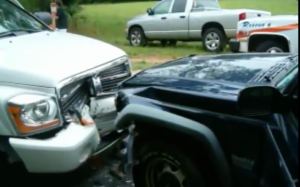
General Insurance Policy Overview
We all understand that not all insurance policies cover the same issues. For instance, if you cause a car accident, you wouldn’t expect a claim filed your home or life insurance because those two policies only cover certain situations. When an insurance carrier can argue that the scope of a policy does not include the type of situation on which your grievance is based, then you are literally barred from receiving compensation for that policy. So when a car insurance carrier can explain that the situation surrounding your accident is not covered, they are often essentially saying “sorry but you have the wrong type of coverage.”
An Example
Our firm was contacted by a woman who suffered from minor injuries in an accident when her car was sideswiped by a fellow commuter. Her claim had been denied and she contacted us hoping we could remedy the situation. She explained that the person that hit her was probably in a rush and not paying attention, but in order to make her story sound more compelling, she explained to the insurance adjuster that he hit her in a fit of road rage.
She thought this would frighten the insurance adjuster into making a quick settlement because she figured, who would want to defend someone like that. Her plan backfired and the insurance carrier denied the claim on the basis that they do not cover intentional torts (deliberate acts), the policy only covers negligence, and if he hit her on purpose the insurance policy does not apply. She admitted she exaggerated thinking would help, and since we cannot in good conscience help someone who was being dishonest we could not represent her in her case.
How Insurance Policies are Supposed to Work
As you have probably gathered insurance policies cover negligent acts that are mistakes or derive from ordinary recklessness. An insurance policy, may not apply when an insured driver is racing, either on track or street, or when the driver is driving drunk.
The Problem
Insurance carriers love nothing more than to argue that it doesn’t apply because they don’t have to argue that their driver wasn’t liable, only that his actions aren’t covered so you only have recourse against him. The problem is that insurance carriers will unfairly claim that the circumstances of your accident fall outside the scope of what their policy was designed to cover.

Our Attorney has over twenty years of experience and have dealt with literally thousands of car accident cases. We know how to deal with the insurance companies to make sure that they accept responsibility for their driver’s actions. We will help you through the entire process and deal directly with the insurance company on your behalf and get you the fair settlement that you deserve. Call today for a free consultation at
=========
Work Accident Lawyers for Construction Site Injuries
Better understand your rights after a construction site injury with expert work accident lawyers. Discover how they can help you secure the compensation you deserve.
Published by Carabin Shaw – San Antonio Personal Injury Lawyers – Work Injury – Workers Comp
Meta Description: Better understand your rights after a construction site injury with expert work accident lawyers. Discover how they can help you secure the compensation you deserve.
Work Accident Lawyers for Construction Site Injuries
If you’ve been injured on a construction site, you might be wondering how to navigate the complex legal landscape that follows. Work accident lawyers specialize in these cases, helping you understand your rights and the compensation you may be entitled to. They know the ins and outs of construction law and can guide you through the workers’ compensation process. But what should you look for in a lawyer, and what steps do you need to take after an injury? Understanding these elements can significantly impact your recovery and case outcome. More about our Work Accident- Injury Lawyers San Antonio Here
Understanding Construction Site Risks
Understanding the various risks on construction sites is crucial for ensuring safety and preventing injuries. You’re likely to encounter several hazards, from heavy machinery to unstable structures. These elements can create a dangerous environment if not managed properly.
Falls From Heights
Consider the risk of falls. Whether you’re working on scaffolding or ladders, one misstep can lead to serious injuries. Falls remain one of the leading causes of death and injury in the construction industry.
Heavy Equipment Dangers
There’s the danger posed by equipment. Operating heavy machinery requires proper training and attention to detail; even a momentary lapse can result in accidents.
Electrical Hazards
You should be aware of hazards related to electrical work. Exposed wires and improper grounding can lead to electrocution if you’re not careful.
Slips, Trips, and Environmental Factors
It’s also important to watch for slips, trips, and falls caused by debris or uneven surfaces, which can catch anyone off guard. Additionally, environmental factors like weather can pose risks too. Rain or snow can make surfaces slick, increasing the chances of accidents.
Common Types of Construction Injuries
Construction sites are notorious for a variety of injuries, ranging from minor cuts to severe traumas that can change lives.
Falls and Impact Injuries
You might encounter slips and falls due to uneven surfaces or wet conditions, which can lead to sprains, fractures, or even head injuries. Being struck by objects, like tools or materials, can cause serious harm, especially when proper safety gear isn’t used.
Lifting and Musculoskeletal Injuries
Lifting heavy materials might result in back injuries, strains, or hernias, which can sideline you for weeks or months. Repetitive motion injuries can develop over time, affecting your joints and muscles.
Burns, Electrical Shocks, and Chemical Exposure
Electrical shocks and burns are also common hazards, particularly if safety protocols aren’t followed. Additionally, exposure to harmful chemicals can lead to respiratory issues or skin diseases.
Scaffolding Accidents
Scaffolding accidents can be particularly devastating, often resulting in falls from height or being crushed by collapsing structures. Each of these injuries can have significant implications for your health and your ability to work. Understanding these common injuries is crucial in advocating for a safer construction environment, ensuring you stay protected while on the job.
Importance of Work Accident Lawyers
Navigating the aftermath of a construction site injury can be overwhelming, and that’s where work accident lawyers step in to help you secure the compensation you deserve.
Expertise in Construction Law
They understand the complexities of construction law and know how to advocate for your rights effectively. By working with a lawyer, you gain a professional who can assess your case, gather necessary evidence, and build a strong claim on your behalf.
Negotiating With Insurance Companies
One of the key reasons to hire a work accident lawyer is their expertise in negotiating with insurance companies. They know the tactics insurers use to minimize payouts and can counter those strategies effectively. With their support, you’re less likely to settle for less than what you’re entitled to.
Peace of Mind During Recovery
Moreover, work accident lawyers provide peace of mind. You can focus on your recovery while they handle the legal details. This includes filing deadlines, paperwork, and legal arguments, ensuring no important steps are overlooked.
Ultimately, their role is crucial in helping you navigate the legal landscape, giving you the best chance at receiving fair compensation for your injuries and losses. Don’t underestimate the importance of having a dedicated professional by your side during this challenging time.
Navigating Workers’ Compensation Claims
Filing a workers’ compensation claim can feel daunting, but knowing the steps involved can make the process smoother.
Report Your Injury Immediately
First, you need to report your injury to your employer immediately. This is crucial, as delays can complicate your claim. Make sure to document everything—dates, times, and any witnesses to the incident.
Seek Medical Attention
Next, seek medical attention right away. Your health is the priority, and having a medical record of your injury is essential for your claim. When you visit the doctor, be clear about how the injury occurred.
Complete and Submit Claim Forms
After that, complete the necessary claim forms. You can usually find these through your employer’s HR department or their insurance provider. Fill them out accurately, and don’t hesitate to ask for help if you’re unsure.
Follow Up and Appeal if Necessary
Once you submit the claim, follow up to ensure it’s being processed. If your claim is denied, don’t be discouraged; you have the right to appeal.
Personal Injury Claims Explained
Understanding personal injury claims is vital for construction workers who may face injuries that aren’t covered by workers’ compensation.
When You Can File a Personal Injury Claim
These claims allow you to seek compensation from parties whose negligence caused your injuries. If you’ve been injured due to unsafe working conditions, faulty equipment, or the actions of another worker, you may have grounds to file a personal injury claim.
Proving Fault and Gathering Evidence
To initiate a claim, you’ll need to prove that another party was at fault. This involves gathering evidence, such as photos of the accident scene, witness statements, and medical records. You’ll also need to demonstrate that your injuries resulted directly from the accident.
Compensation and Time Limits
In most cases, personal injury claims can result in compensation for medical expenses, lost wages, and pain and suffering. However, keep in mind that there are statutes of limitations, which means you must file your claim within a certain timeframe to avoid losing your right to compensation.
Consulting with a personal injury lawyer can help you navigate this process and maximize your chances of receiving fair compensation. Remember, understanding your rights is the first step toward recovery and justice.
Qualities to Look for in a Lawyer
When choosing a lawyer for your construction site injury case, look for someone with a proven track record in personal injury law.
Experience and Expertise
Experience matters, so find a lawyer who’s handled cases similar to yours. They’ll understand the unique challenges associated with construction site injuries and know how to navigate them effectively.
Communication Skills
You should also prioritize communication skills. Your lawyer should be someone who listens to your concerns, explains legal jargon clearly, and keeps you updated throughout the process. Trust is key, so choose someone you feel comfortable discussing sensitive details with.
Availability and Reputation
Additionally, consider their availability. You want a lawyer who can dedicate adequate time to your case rather than someone who’s juggling too many clients. Look for reviews or testimonials from former clients to gauge their reputation and reliability.
How Lawyers Support Your Case
A skilled lawyer can provide crucial support by gathering evidence, negotiating with insurance companies, and advocating for your rights throughout the legal process.
Gathering Evidence and Documentation
They’ll help you collect important documents like accident reports, medical records, and witness statements, all of which are essential for building a strong case.
Dealing With Insurance Companies
Your lawyer will also have experience dealing with insurance companies, which often try to minimize payouts or deny claims altogether. They’ll negotiate on your behalf, ensuring you receive fair compensation for medical expenses, lost wages, and pain and suffering.
Navigating the Legal System
Moreover, your attorney understands the complexities of construction site injury laws and can navigate the legal system more effectively than you could alone. They’ll keep you informed about your case’s progress and explain any legal jargon you might encounter, making the process less overwhelming.
Trial Representation
If your case goes to trial, having a lawyer by your side can be invaluable. They’ll present your case persuasively and represent your interests in front of a judge and jury. Ultimately, enlisting a skilled lawyer can make a significant difference in the outcome of your case, allowing you to focus on your recovery.
Steps to Take After an Injury
After an injury on a construction site, it’s crucial to prioritize your health and safety by seeking medical attention immediately.
Get Medical Treatment
Even if your injuries seem minor, getting evaluated by a medical professional ensures you’re not overlooking any serious conditions. Once you’ve addressed your health, document the incident thoroughly.
Document Everything
Take photos of the site, your injuries, and any equipment involved. Write down what happened as soon as possible while the details are fresh in your mind. This information is vital for your records.
Report and Gather Witness Information
Next, report the incident to your supervisor or safety officer. Ensure that you follow company protocols for reporting accidents. This step is essential for creating an official record of the event. If you can, gather contact information from any witnesses. They can provide supporting statements about the circumstances of your injury.
Legal Resources for Construction Workers
Navigating the legal landscape after a construction site injury can feel overwhelming, but knowing your rights and resources can make all the difference.
Workers’ Compensation Laws
First, familiarize yourself with workers’ compensation laws in your state. These laws often provide benefits for medical expenses and lost wages, regardless of fault.
Finding the Right Attorney
You should also consider reaching out to a work accident lawyer specializing in construction site injuries. They can guide you through the claims process and ensure you receive the compensation you’re entitled to. Many lawyers offer free consultations, so don’t hesitate to ask questions about your case.
Unions and Industry Organizations
Additionally, industry organizations and unions can be invaluable resources. They often provide legal advice, support services, and advocacy for workers’ rights.
Keep Detailed Records
Lastly, keep detailed records of your injury, treatment, and any correspondence related to your case. This documentation will be crucial if you need to pursue legal action or appeal a denied claim.
Get the Legal Support You Need
Injuries at construction sites can be overwhelming, but you don’t have to face the aftermath alone. Work accident lawyers are here to help you navigate the legal complexities and fight for the compensation you deserve.
By understanding your rights and the steps to take after an injury, you can focus on your recovery while your attorney advocates for you. Don’t hesitate to reach out for legal support—it could make all the difference in your case.
================
Road Rage Incident Lawsuits
Expert analysis of road rage incident lawsuits, intentional acts liability, assault and battery claims, and legal strategies for traffic dispute compensation.
“`html
This Blog was brought to you by Carabin Shaw Personal Injury Attorneys – San Antonio
Road Rage Incident Lawsuits: Intentional Acts and Assault Claims in Traffic Disputes
Road rage incidents represent one of the most dangerous and legally complex categories of motor vehicle cases, involving intentional acts that blur the lines between traffic accidents and criminal behavior. Recent Zebra survey data reveals that 82% of Americans committed an act of road rage in the past year, with 96% witnessing road rage behavior in the previous six months. These staggering statistics demonstrate the pervasive nature of aggressive driving that can escalate into violent confrontations with serious legal consequences.
The National Highway Traffic Safety Administration defines road rage as “an intentional assault by a driver or passenger with a motor vehicle or a weapon that occurs on the roadway or is precipitated by an incident on the roadway.” This definition distinguishes road rage from aggressive driving by emphasizing the criminal nature of intentional acts designed to intimidate, threaten, or harm other road users.
Alarming Road Rage Statistics and Escalation Patterns
Road rage incidents have produced devastating consequences nationwide, with over 12,610 injuries and 218 murders attributed to road rage over a seven-year period in the United States. Gun Violence Archive data reveal that 116 people were killed in road rage incidents involving firearms in 2024 through October, compared to 109 deaths during the same period in 2023, representing a troubling increase in lethal outcomes.
The weaponization of road rage creates particularly dangerous scenarios, with 37% of aggressive driving incidents involving firearms according to AutoVantage Club research. Consumer Affairs polling data shows that 65% of American drivers keep weapons in their vehicles, creating substantial potential for road rage escalation into deadly force situations.
Regional patterns show significant variations in road rage incidents. Louisiana tops national rankings with a road rage score of 90.0, experiencing 2.1 firearm-related road rage incidents per 100,000 residents and having 62.2% of accidents attributed to aggressive or careless driving. Conversely, Rhode Island ranks lowest with a score of 40.0, reporting only 0.8 firearm-related incidents per 100,000 residents.
Gender and age demographics reveal distinct patterns in road rage behavior. Males demonstrate significantly higher rates of severe aggressive behaviors, with 15.5% cutting off other drivers compared to 8.3% of females, and 5.7% confronting other drivers versus 1.8% of females. Drivers aged 25-39 exhibit the highest likelihood of road rage behaviors, while those aged 19-24 show the greatest tendency to prevent lane changes or ram other vehicles.
Legal Distinction Between Road Rage and Aggressive Driving
The legal framework distinguishes between aggressive driving (a traffic violation) and road rage (a criminal offense) based on intent and severity of actions. Aggressive driving encompasses reckless behaviors such as tailgating, speeding, running red lights, or blocking other vehicles, typically prosecuted as traffic violations with fines and points.
Road rage involves intentional acts designed to intimidate, threaten, or harm other road users, often prosecuted under assault, battery, reckless endangerment, or even attempted murder charges. The escalation from traffic violation to criminal behavior significantly affects both liability exposure and available legal remedies for victims.
Only a few states have enacted specific road rage statutes, with Utah being among the most recent to pass laws specifically defining and punishing road rage behavior. Most jurisdictions prosecute road rage cases under broader assault, battery, or homicide laws, making consistent data collection challenging but creating substantial penalty exposure for perpetrators.
The intentional nature of road rage acts eliminates many traditional traffic accident defenses while creating opportunities for enhanced damages, punitive awards, and criminal prosecution that can run parallel to civil liability claims.
Criminal Charges Associated with Road Rage Incidents
Road rage incidents can result in serious criminal charges that affect both liability and damage calculations in civil cases. Common criminal charges include assault for verbal threats or actions creating reasonable fear of imminent harm, battery for unwanted physical contact, and reckless endangerment for conduct placing others in danger of serious injury.
More severe road rage incidents may result in charges of criminal mischief for property damage, terroristic threats for verbal violence threats, aggravated assault with a deadly weapon for using vehicles as weapons, and vehicular homicide or manslaughter when road rage actions cause deaths.
The criminal justice system’s handling of road rage cases provides crucial evidence for civil litigation, as criminal convictions establish many elements of civil liability claims. However, civil cases can proceed independently of criminal prosecutions, allowing victims to pursue compensation even when criminal charges are not filed or result in acquittals.
Plea agreements in criminal cases may include restitution orders that provide partial compensation to victims, though civil lawsuits typically seek more comprehensive damages for medical expenses, lost wages, pain and suffering, and punitive damages not available through criminal restitution.
Civil Liability Theories in Road Rage Cases
Road rage civil lawsuits typically proceed under multiple legal theories that reflect the intentional nature of the conduct involved. Negligence claims focus on the driver’s breach of duty to operate their vehicle safely, though the intentional aspects of road rage behavior often exceed simple negligence standards.
Intentional infliction of emotional distress claims apply when the defendant’s conduct was extreme and outrageous, intended to cause severe emotional anguish. Road rage behaviors such as verbal assaults, threatening gestures, ramming vehicles, or weapon displays frequently support these claims, which can result in substantial emotional distress damages.
Assault and battery claims arise when road rage involves threats of violence or actual physical contact. Assault occurs when defendants create a reasonable apprehension of imminent harmful contact, while battery requires actual unwanted physical touching. Vehicle-to-vehicle contact or physical confrontations outside vehicles support both claims.
Intentional tort claims carry significant advantages over negligence theories, including potential punitive damage awards, no comparative fault reductions for victim behavior, and different insurance coverage issues that may increase the defendant’s personal liability exposure.
Insurance Coverage Complications and Exclusions
Road rage incidents create complex insurance coverage issues due to intentional act exclusions in most liability policies. Standard auto insurance policies typically exclude coverage for intentional acts, meaning insurers may deny coverage for road rage claims, leaving defendants personally liable for all damages.
The intentional act exclusion creates coverage disputes when incidents involve mixed motives or when intent levels vary among different actions within the same incident. Courts must determine whether specific acts were intentional or arose from negligent driving, affecting coverage availability and the defendant’s financial responsibility.
Comprehensive and collision coverage may apply differently to road rage incidents, with policies potentially covering victim vehicle damage while excluding perpetrator coverage. Uninsured motorist coverage becomes crucial for road rage victims when defendant insurance is denied due to intentional act exclusions.
Personal injury protection and medical payments coverage typically apply regardless of intent, providing immediate medical expense coverage for road rage victims. However, these coverages have limited amounts that rarely compensate fully for serious injuries resulting from violent road rage incidents.
Evidence Collection and Investigation Strategies
Road rage cases require specialized evidence collection approaches that differ from typical traffic accidents due to the criminal nature of the conduct. Immediate police involvement becomes crucial for documenting criminal behavior, collecting witness statements, and preserving evidence before defendants can alter their stories.
Dashboard cameras, cell phone videos, and security camera footage provide crucial objective evidence of road rage incidents, showing both the progression of events and the intentional nature of the defendant’s actions. Social media posts and communications may reveal premeditation or admission of intentional acts.
Witness testimony becomes crucial in road rage cases, as bystanders can describe threatening behavior, verbal statements, and the escalation pattern that demonstrates intentional conduct rather than accidental circumstances. Multiple witnesses help establish the credibility of victim accounts.
Medical documentation must capture both physical injuries and psychological trauma resulting from road rage incidents. The violent nature of road rage often produces significant emotional distress symptoms requiring specialized treatment and expert testimony to establish damages.
Damage Calculations and Enhanced Remedies
Road rage cases often support enhanced damage awards due to the intentional and often outrageous nature of the conduct involved. Compensatory damages include medical expenses for both physical injuries and psychological treatment, lost wages during recovery, and property damage to vehicles or personal items.
Pain and suffering damages reflect not only physical injury impacts but also the emotional trauma of being targeted for intentional violence. The psychological impact of road rage attacks often exceeds that of typical accident injuries due to the personal nature of the assault and fear of repeated encounters.
Punitive damage claims frequently apply in road rage cases when defendants’ conduct demonstrates conscious disregard for others’ safety or when behavior is particularly egregious. These damages aim to punish wrongdoers and deter similar conduct, potentially resulting in awards many times larger than compensatory damages.
Future damages may include ongoing psychological counseling, increased transportation costs due to driving anxiety, and reduced earning capacity when victims develop post-traumatic stress that affects work performance or ability to travel for employment.
Multi-Defendant Liability Scenarios
Road rage incidents sometimes involve multiple defendants when passengers participate in aggressive behavior, employers bear vicarious liability for employee road rage, or when incidents escalate to involve multiple vehicles with shared responsibility for damages.
Passenger liability can arise when non-driving occupants encourage, participate in, or fail to restrain drivers exhibiting road rage behavior. Passengers who physically assault other drivers or provide weapons face independent liability exposure for their own actions.
Employer liability under respondeat superior principles applies when employees engage in road rage during work-related driving, though the intentional nature of road rage may limit employer liability depending on whether acts fall within employment scope or represent personal vendettas.
Joint and several liability principles may allow for full recovery from any liable defendant, regardless of the fault percentage allocation, providing strategic advantages when some defendants have better insurance coverage or greater assets available for collection.
Intersection with Criminal Law and Parallel Proceedings
Road rage civil cases often proceed parallel to criminal prosecutions, creating coordination challenges and strategic opportunities. Criminal case outcomes can provide valuable evidence for civil claims, while civil discovery may uncover evidence useful in criminal proceedings.
Plea agreements in criminal cases may include admissions or factual stipulations that support civil liability claims. However, civil attorneys must carefully coordinate with prosecutors to avoid interfering with criminal investigations or inadvertently harming criminal cases through aggressive civil discovery.
Fifth Amendment privilege issues arise when defendants invoke their right against self-incrimination in civil cases due to pending criminal charges. Civil cases may need to be stayed pending criminal resolution, or discovery may be limited to avoid prejudicing criminal defendants’ rights.
Criminal conviction evidence generally establishes civil liability for the same conduct, making criminal case outcomes crucial for civil claim success. However, criminal acquittals don’t necessarily bar civil recovery due to different burdens of proof and evidentiary standards.
Prevention Strategies and Risk Management
Road rage prevention requires both individual behavioral modifications and systemic improvements in traffic management. Driver education programs focusing on anger management, stress reduction, and conflict de-escalation can reduce road rage incidents and associated liability exposure.
Traffic engineering solutions such as improved signage, better merge lane design, and traffic flow optimization can reduce frustration triggers that lead to road rage escalation. Law enforcement presence and automated enforcement systems may deter aggressive driving behaviors before they escalate to criminal road rage.
Corporate fleet management programs should include road rage prevention training, incident reporting procedures, and disciplinary measures for employees involved in aggressive driving incidents. Companies can reduce vicarious liability exposure through proactive driver training and monitoring programs.
Insurance risk management involves understanding coverage limitations for intentional acts, considering umbrella policies for enhanced protection, and implementing safety programs that may qualify for premium discounts while reducing actual road rage incident risks.
The evolving landscape of vehicle technology, including dash cameras, automated emergency braking, and vehicle-to-vehicle communication systems, will continue to reshape road rage prevention and evidence collection, potentially reducing both incident frequency and litigation challenges in these dangerous but increasingly common cases.
“`============
Truck Accident Law – Who Is To Blame
To submit your lawsuit, you must determine who actually caused the accident that hurt you. In most commercial vehicle trucking accidents there is more than one party at fault,
This Blog was brought to you by Carabin Shaw – Corpus Christi
Who Is To Blame In The Commercial Vehicle Accident That Injured You?
To submit your lawsuit, you must determine who actually caused the accident that hurt you. In most commercial vehicle trucking accidents there is more than one party at fault, at least partially, and assigning degrees of responsibility may be a complex process. In the state of Texas, there is the legal concept of respondeat superior that holds employers liable for acts of their workers. Therefore, in cases of commercial vehicle accidents, there are generally at least two defendants – the driver and the commercial vehicle firm that employs him. If the commercial vehicle driver suffered a momentary lack of concentration and caused a wreck, the commercial vehicle firm is also liable. More Information here
However, responsibility is rarely limited to these two parties. The firm that loaded the commercial vehicle could have failed to secure the cargo correctly, causing a load shift, which causes an accident. The firm that planned the highway could have sent the commercial vehicle on a street that is not designed for commercial vehicles. If a mechanical challenge caused the accident, the mechanic who maintained the commercial vehicle could be liable. It’s also possible that the driver of another car drove hazardously and that the commercial vehicle swerved and hit another car. Very rarely is the question of responsibility in an accident involving a commercial vehicle easy to establish. To complete your lawsuit, you need a knowledgeable commercial vehicle accident attorney who knows how best to investigate the exact cause of the accident and figure out who is liable for damages.
Commercial Vehicle Drivers Will Lie
Do not expect a commercial vehicle driver who caused the accident to admit their responsibility. What happens to a commercial vehicle driver who is negligent in an accident? He will probably find it hard to find a commercial vehicle driving job with another firm, as he now has a black mark on his driving record. With the state of the job market and the economy, many who are otherwise reliable will lie to protect their jobs and the ability to provide for their families.
By way of example, a client once engaged the firm to deal with a lying commercial vehicle driver. Our client was hurt in a commercial vehicle accident one night and the commercial vehicle driver asserted our client was driving without headlights at the time of the accident. Our investigators diligently searched the scene and saw a security camera at a nearby store pointing directly at the point of impact. After obtaining a copy of the video, we had a clear picture of our clients with their lights shining. When the commercial vehicle driver repeated his lies during the deposition, he was caught. Dishonesty and deception are common in commercial vehicle accidents. Our commercial vehicle accident attorneys and their team know how to find critical physical evidence through a thorough examination and how to ask the right questions to catch people lying.
=======